Waste Management
Building a Cleaner and Greener Future

Recycling
Transforming waste into reusable resources for a sustainable environment.
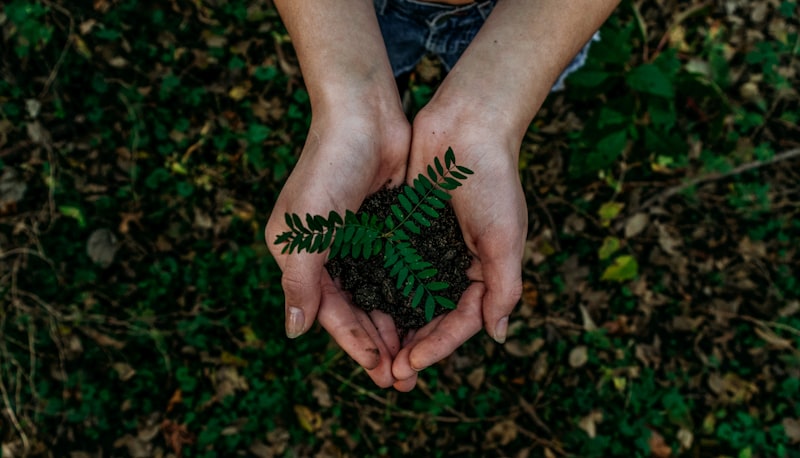
Green Cities
Promoting eco-friendly urban development through smart waste systems.

Clean Environment
Reducing pollution and protecting natural resources for future generations.
Importance of Waste Management
Waste management is one of the most important environmental practices in the modern world. As populations grow and industries expand, the amount of waste generated every day continues to increase. Proper waste management helps reduce environmental pollution, conserve natural resources, and improve public health. Without effective systems for collecting, processing, and disposing of waste, communities can face serious challenges such as contaminated water, polluted air, and the spread of diseases.
Recycling plays a major role in sustainable waste management. Materials such as paper, plastic, glass, and metal can be reused to create new products instead of being discarded. This reduces the demand for raw materials and saves energy during manufacturing processes. Recycling also helps decrease the volume of waste sent to landfills, extending their lifespan and reducing environmental damage.
Another important aspect of waste management is waste reduction. Individuals and organizations can minimize waste production by choosing reusable products, reducing unnecessary packaging, and adopting environmentally friendly habits. Composting organic waste such as food scraps and garden waste is another effective solution. Compost can be used to enrich soil and support healthy plant growth, creating a natural cycle of resource recovery.
Governments, businesses, and citizens all share responsibility for maintaining a clean environment. Public awareness campaigns and educational programs can encourage people to dispose of waste responsibly and participate in recycling initiatives. Technological advancements are also improving waste management systems through smart bins, automated sorting facilities, and waste-to-energy technologies.
Effective waste management contributes to cleaner cities, healthier communities, and a more sustainable future. By embracing recycling, reducing waste generation, and supporting eco-friendly practices, society can significantly reduce its environmental footprint. Every small action, from separating recyclables at home to participating in community clean-up events, helps protect the planet and ensures a healthier world for future generations.